
Backlink monitoring tools help website owners, SEO professionals and agencies understand what is happening to the links pointing towards their websites.
A backlink that looked valuable six months ago may have disappeared, changed destination, become nofollow, moved to a redirected page or simply stopped providing the value expected from it.
At the same time, competitors may be gaining relevant links from publications and websites that have not yet been approached. This is why backlink monitoring should be treated as an ongoing SEO process rather than a task completed once during an audit.
Google continues to use links as one of the signals for understanding pages and their relevance, although links are only one part of a much broader collection of ranking signals and systems.
The best backlink monitoring tools therefore help businesses answer practical questions such as:
- Which websites have recently linked to the site?
- Which backlinks have disappeared?
- Which pages receive the strongest links?
- Is anchor text becoming too concentrated?
- Which competitors are attracting links from relevant websites?
- Are important backlinks pointing towards broken or redirected URLs?
- Which link opportunities deserve further investigation?
Which Are the Best Backlink Monitoring Tools in 2026?
For businesses looking for a quick comparison, these are ten backlink monitoring tools worth considering in 2026.
| Tool | Best For | Main Strength | Learning Curve |
| Ahrefs | Advanced backlink research | Large backlink database and competitor research | Moderate |
| Semrush | Complete SEO campaigns | Backlink auditing and wider SEO integration | Moderate |
| SE Ranking | SMEs and growing agencies | Monitoring combined with an all-in-one SEO platform | Easy–Moderate |
| Majestic | Link specialists | Trust Flow and topical link analysis | Moderate |
| Linkody | Dedicated link monitoring | Automated link checking and alerts | Easy |
| Serpstat | Growing SEO teams | Competitor and backlink analysis in one platform | Easy–Moderate |
| cognitiveSEO | Detailed backlink audits | Unnatural-link and profile analysis | Moderate |
| Google Search Console | Free backlink checking | First-party Google link information | Easy |
| Moz Pro | Straightforward link evaluation | Accessible authority and link metrics | Easy |
| Ubersuggest | Beginners | Simple backlink and competitor research | Very Easy |
Pricing and plan limits regularly change, so businesses should compare current subscriptions before choosing a platform.
What Is Backlink Monitoring?
Backlink monitoring is the process of repeatedly checking the external links that point towards a website. It goes beyond counting backlinks.
Good SEO link monitoring looks at the condition and development of the overall backlink profile, including:
- Referring domains
- Source URLs
- Target pages
- Anchor text
- Follow and nofollow attributes
- New backlinks
- Lost backlinks
- Broken destination pages
- Link relevance
- Changes in referring-domain quality
- Competitor link acquisition
The purpose is to understand whether the website’s backlink profile is developing in a useful direction. A monitoring tool can highlight a change, but an SEO professional still has to determine whether that change actually matters.
Why Should Businesses Monitor Their Backlinks?
A link-building campaign does not finish when a backlink goes live.
Links can disappear without notice. Publishers update old articles, redesign websites, change URLs, remove contributors, alter outbound links or delete entire pages.
Without backlink tracking software, these changes may remain unnoticed. Monitoring is particularly useful for four reasons.
Protecting Valuable Backlinks
If an important editorial backlink disappears, early detection provides an opportunity to investigate.
The linking page may have been updated, the target URL may have changed or a website migration may have caused the destination page to return a 404 response.
Recovering an earned backlink can sometimes be easier than securing an entirely new placement.
Measuring Link-Building Campaigns
Businesses spending money or staff time on digital PR, guest publishing or outreach need a way of determining what those activities actually produced.
Backlink management tools can help record:
- Links gained
- Referring domains acquired
- Landing pages receiving links
- Anchor text used
- Links later lost
- Campaign progress over time
This creates greater accountability around link-building work.
Finding Competitor Opportunities
Backlink monitoring tools are also valuable for prospecting. If several competitors have links from the same relevant publication but a business does not, that domain may deserve investigation.
The goal is not to duplicate every competitor backlink. Instead, competitor analysis can reveal publications, resource pages, journalists, directories and industry websites that may be relevant to a future campaign.
Identifying Unusual Link Patterns
Sudden changes in backlink volume, anchor text or referring domains can justify further investigation. However, businesses should avoid assuming every strange or low-authority backlink is harmful.
Google states that known spam links are often simply ignored. Its disavow tool is intended mainly for more serious situations involving unnatural links, especially where there is a manual action or a genuine risk of one.
What Features Should Backlink Monitoring Tools Have?
Different tools collect and present backlink data differently, but several capabilities are particularly useful.
| Feature | Why It Matters |
| New Link Detection | Helps track successful campaigns and naturally earned links |
| Lost Link Monitoring | Makes it easier to investigate valuable links that disappear |
| Referring Domain Analysis | Shows where links originate rather than focusing only on total backlink numbers |
| Anchor Text Reporting | Helps assess how websites naturally describe and link to a page |
| Competitor Analysis | Reveals potential link sources and gaps |
| Link Status Monitoring | Identifies removed links, changed attributes and broken destinations |
| Historical Data | Shows how a backlink profile has developed |
| Alerts | Reduces the need for constant manual checking |
| Exporting and Reporting | Useful for agencies and larger campaigns |
| API Access | Helps larger teams integrate backlink data into their own systems |
No single proprietary SEO metric should determine whether a backlink is good.
Domain Rating, Domain Authority, Trust Flow and similar scores can be useful comparison metrics, but they are metrics created by individual SEO platforms rather than Google ranking scores.
Top 10 Best Backlink Monitoring Tools for SEO in 2026
1. Ahrefs
Ahrefs remains one of the strongest options for businesses that want extensive backlink research combined with competitor analysis.
Its Backlink Checker and Site Explorer make it possible to investigate:
- Referring pages
- Referring domains
- Anchor text
- New links
- Lost links
- Link attributes
- Competitor backlinks
- Historical backlink information
Ahrefs states that its backlink index receives fresh data every 15 minutes, while Site Explorer can be used to investigate competitor backlinks and changes in link profiles.
Who Is Ahrefs Best For?
Ahrefs makes the most sense for:
- Established SEO teams
- Link-building agencies
- Digital PR teams
- Competitive industries
- Businesses performing extensive competitor research
Its greatest advantage is depth.
A business can move from identifying a competitor’s strongest pages to studying the referring domains behind those pages and then identifying realistic outreach prospects.
The disadvantage is that businesses requiring only simple backlink alerts may not need everything the wider platform provides.
Best for: Deep backlink research and competitor intelligence.
2. Semrush
Semrush approaches backlinks as part of a wider SEO and digital marketing workflow. Its backlink tools cover competitor analysis, backlink gaps and profile auditing. Its Backlink Audit product analyses links against more than 50 parameters and provides a workflow for reviewing suspicious links.
Semrush can be particularly useful when backlink analysis needs to sit alongside:
- Keyword tracking
- Competitor research
- Technical SEO
- Content analysis
- Reporting
- Outreach research
Its Backlink Gap functionality can also compare a website with multiple competitors to identify domains linking to competitors but not the website being analysed.
A Note About Toxicity Scores
Automated toxicity metrics should be treated as investigation tools rather than automatic instructions to remove or disavow a backlink. Even Semrush describes these systems as a way of surfacing links for further review. A low score from an SEO platform does not itself mean Google has penalised a website.
Best for: Businesses wanting backlink monitoring inside a broader SEO platform.
3. SE Ranking
SE Ranking is a useful alternative for businesses that require capable backlink monitoring without building their entire workflow around one of the largest enterprise-oriented platforms.
Its Backlink Monitoring module allows users to add links manually or import them before regularly checking important parameters.
The platform can monitor:
- Whether a backlink is found
- Target URL
- Anchor text
- Follow or nofollow status
- Referring IP
- Indexation information
SE Ranking says monitored backlinks are checked regularly and users can receive notifications when changes occur. Its separate Backlink Checker can also analyse competitors and evaluate links across more than 15 parameters.
Where Does SE Ranking Fit?
It can suit:
- SMEs
- Freelancers
- Growing agencies
- In-house marketing departments
- Teams wanting several SEO tools under one subscription
Best for: Businesses balancing backlink functionality with usability and cost.
4. Majestic
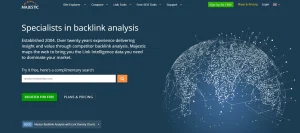
Majestic differs from many all-in-one SEO platforms because backlink intelligence has traditionally been central to its product.
Its most recognisable metrics include:
- Trust Flow
- Citation Flow
- Topical Trust Flow
Topical Trust Flow is particularly useful when assessing whether links originate from websites associated with relevant subject areas.
Majestic also provides backlink comparisons and competitive research functionality. Its Site Comparator can compare multiple websites and includes backlink statistics, growth analysis and Topical Trust Flow information.
For users interested in backlink history, Majestic’s Historic Index contains data stretching back to 2006.
Why Use Majestic?
Majestic can be useful when the priority is understanding the structure and topical characteristics of a backlink profile rather than managing every part of an SEO campaign.
Best for: Dedicated link analysis and topical backlink research.
5. Linkody
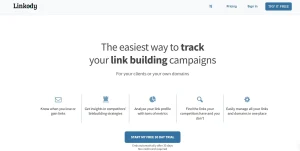
Linkody is built more specifically around backlink monitoring. Rather than trying to cover every area of digital marketing, it focuses heavily on tracking links and notifying users when something changes.
Its current features include:
- New and lost backlink monitoring
- Email notifications
- Anchor text analysis
- Competitor comparison
- Link Intersect
- Broken landing-page alerts
- Disavow management
- PDF reporting
- Team and client management
Linkody states that links are monitored continuously and that users can receive detailed link reports and alerts about backlink changes.
Why Agencies May Prefer Linkody
A specialist tool can sometimes make more operational sense than a large SEO suite. For agencies already using separate platforms for keywords, technical SEO and reporting, Linkody can provide a dedicated system for monitoring client placements.
It can also help detect when an acquired backlink disappears or starts pointing towards a broken landing page.
Best for: Agencies and teams wanting straightforward automated backlink monitoring.
6. Serpstat
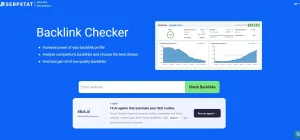
Serpstat combines backlink analysis with keyword research, competitor analysis, rank tracking and site auditing.
Its backlink tools can be used to examine:
- Referring domains
- Competitor backlinks
- Anchor text
- Backlink dynamics
- New and lost links
- High-performing linked pages
Serpstat’s current documentation describes its Backlink Analysis system as a way of analysing a site’s backlink profile, monitoring link-building dynamics and studying competitor links.
When Does Serpstat Make Sense?
It can be particularly suitable for teams that want backlink research but do not need a backlink-only platform. It also provides an effective route into competitor research.
For example, instead of simply asking how many backlinks a competitor has, users can examine which competitor pages attract the most referring domains and investigate why those assets earn links.
Best for: Small and medium SEO teams combining backlink and competitor research.
7. cognitiveSEO
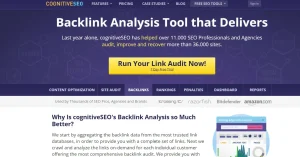
cognitiveSEO is particularly suited to websites requiring deeper investigation of an existing backlink profile. Its backlink analysis tools combine data from backlink databases with additional crawling and analysis.
The platform provides functionality for examining:
- Live backlinks
- Lost backlinks
- Referring domains
- Anchor text
- Link attributes
- Historical backlink profiles
- Unnatural-link patterns
- Competitor backlinks
cognitiveSEO states that its Site Explorer covers live and lost backlinks, referring domains, broken pages and historical profile information.
When Is cognitiveSEO Most Useful?
It can make sense when the requirement goes beyond simply knowing that a link disappeared.
For websites with complicated backlink histories, previous aggressive link-building campaigns or unusual ranking movements, deeper segmentation can help teams understand what has happened over time.
Again, automated unnatural-link classifications should support human analysis rather than replace it.
Best for: Detailed backlink audits and complicated link profiles.
8. Google Search Console
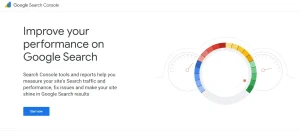
Google Search Console is not a replacement for a professional backlink monitoring platform, but it should not be overlooked. Its Links report provides first-party information from Google about sites and pages linking to a verified property.
Users can examine information such as:
- Top linking sites
- Top linked pages
- External link information
- Internal link information
Google describes the Links report as a way to see which sites contain the most backlinks to a property and which pages receive links.
What Is the Limitation?
Search Console should not be treated as a complete real-time backlink database. It is better used alongside specialist backlink tracking software when detailed discovery, alerting, historical analysis or competitor research is required.
Its biggest advantages are straightforward:
- It is free
- The data comes directly from Google
- It helps validate information found through third-party tools
Best for: Free first-party backlink visibility.
9. Moz Pro and Link Explorer
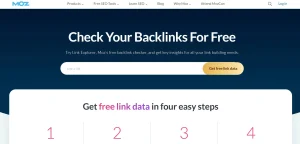
Moz has long been associated with accessible SEO metrics and straightforward link evaluation.
Its link analysis ecosystem is particularly well known for metrics such as:
- Domain Authority
- Page Authority
- Spam Score
For less experienced SEO users, these metrics can make large backlink datasets easier to filter and prioritise. However, Domain Authority should not be confused with a Google ranking score.
Authority metrics are most useful for comparing websites within a market rather than declaring that every website above or below a particular score is automatically good or bad.
Where Does Moz Fit?
Moz can suit:
- Content teams
- Smaller agencies
- Outreach specialists
- SEO beginners moving into more advanced analysis
- Teams wanting easier-to-interpret link metrics
Best for: Straightforward authority comparisons and backlink research.
10. Ubersuggest
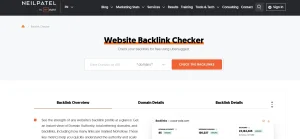
Ubersuggest offers a simpler entry point for users who do not need the depth associated with enterprise-level backlink platforms.
Its backlink functionality provides information around:
- Total backlinks
- Referring domains
- Anchor text
- Follow and nofollow links
- Backlink development
- Competitor links
Its current backlink checker also allows users to examine competitor backlinks and review authority and link-quality indicators.
Who Should Consider Ubersuggest?
It is most relevant for:
- SEO beginners
- Bloggers
- New businesses
- Small websites
- Users wanting backlink research alongside basic SEO tools
As campaigns become larger, businesses may eventually require more sophisticated filtering, monitoring or reporting.
Best for: Beginners wanting uncomplicated backlink analysis.
Should You Use More Than One Backlink Monitoring Tool?
Using two tools can sometimes provide a better picture than relying on one database. Third-party backlink monitoring tools operate their own crawlers, databases and discovery systems.
As a result, one platform may discover a backlink that another has not yet recorded. That does not necessarily mean one is wrong.
For important campaigns, a practical combination could be:
- Google Search Console for first-party Google information
- Ahrefs, Semrush, SE Ranking or Majestic for broader backlink discovery
- Linkody or another monitoring system for tracking particularly important acquired links
There is little value in paying for several platforms if the resulting information is never acted upon.
How Should You Monitor Backlinks After a Link-Building Campaign?
A simple process can make backlink monitoring considerably more useful.
Step 1: Record Every Important Placement
Keep a list of significant links acquired through:
- Digital PR
- Editorial outreach
- Guest contributions
- Resource-page outreach
- Partnerships
- Link reclamation
Record the source URL, target URL and date the backlink appeared.
Step 2: Add Important Links to Monitoring
Use backlink management tools to track whether these links remain active.
Important placements deserve closer monitoring than random backlinks discovered by a crawler.
Step 3: Check the Destination Page
A live backlink provides little value to users if it points towards a deleted or broken page.
Redirect URLs appropriately when restructuring a website.
Step 4: Review New Referring Domains
New links can reveal which content naturally attracts citations.
If a particular guide, study, tool or resource repeatedly earns backlinks, it may indicate what type of content should receive further investment.
Step 5: Review Lost Links
Do not immediately contact every website that removes a backlink.
First determine:
- Was the page deleted?
- Was the article updated?
- Did the website change URL?
- Was the target page removed?
- Was the backlink deliberately replaced?
- Is the link important enough to recover?
Prioritisation matters.
Step 6: Compare Competitors
Periodically compare your referring domains with several genuine organic-search competitors.
Look for patterns rather than individual links.
If several respected websites repeatedly mention competing brands but never your own, that may expose a genuine authority or PR gap.
How Should Backlink Quality Be Evaluated in 2026?
Backlink quality should not be reduced to a single number.
A useful evaluation considers several factors together.
1. Relevance
Does the source website or page have a meaningful relationship with the destination content?
A contextual link from a relevant publication can make more sense than a random link from a website with an impressive third-party authority score.
2. Editorial Context
Consider why the link exists.
Links included because they help the reader are fundamentally different from links inserted purely to manipulate rankings.
Google’s spam policies specifically prohibit link schemes intended to manipulate Search rankings.
3. Referring Page Quality
Look beyond the domain homepage.
Evaluate the actual page containing the backlink.
Questions include:
- Is the content useful?
- Does the page receive visibility?
- Is it indexed?
- Is the page overloaded with unrelated outbound links?
- Does the backlink make sense in context?
4. Anchor Text
Natural backlink profiles usually contain a mixture of:
- Brand names
- URLs
- Descriptive phrases
- Page titles
- Generic anchors
- Relevant keyword variations
Repeatedly manufacturing exact-match keyword anchors can create an unnatural pattern.
5. Link Attributes
Monitoring software should distinguish between normal links and attributes including:
- nofollow
- sponsored
- ugc
These attributes provide additional context around how a link should be interpreted.
Are AI Features Changing Backlink Monitoring Tools in 2026?
AI is increasingly appearing inside SEO platforms, but businesses should be careful about treating AI-generated link scores as objective facts.
The most useful application of AI in backlink analysis is likely to be reducing manual work.
It can assist with tasks such as:
- Grouping referring domains
- Classifying websites by topic
- Summarising backlink changes
- Identifying unusual patterns
- Prioritising prospects
- Comparing competitor profiles
- Analysing large exports
- Helping teams investigate potential link opportunities
Some major SEO platforms are also expanding beyond conventional Google SEO into AI-search visibility. Ahrefs now positions parts of its platform around AI-search visibility, while Semrush incorporates backlink research into its wider search and AI visibility products.
However, there is currently no universal AI-generated “link value” score that businesses should treat as equivalent to Google’s own evaluation. Human judgement remains essential.
What Backlink Monitoring Mistakes Should You Avoid?
- Focusing Only on Total Backlink Numbers: Ten thousand links are not automatically better than 1,000. Repeated sitewide links, duplicated URLs and links from the same referring domain can substantially inflate backlink totals.
- Treating DA or DR as Google Metrics: Domain Authority, Domain Rating and similar metrics belong to third-party platforms. They can support comparison, but they are not Google’s ranking scores.
- Automatically Disavowing Low-Score Links: A backlink being labelled “toxic” by a tool does not automatically mean it should be disavowed. Google specifically cautions against inappropriate use of its disavow system.
- Ignoring Lost Links: Businesses frequently concentrate entirely on acquiring new backlinks while overlooking valuable placements that have disappeared. Link reclamation should form part of ongoing backlink management.
- Copying Competitor Backlinks Without Evaluating Them: A competitor having a backlink does not automatically make that backlink desirable. Competitor backlink research should reveal opportunities, not create a checklist to copy blindly.
How Often Should Backlinks Be Monitored?
The right frequency depends on the scale of the website and its link-building activity.
For an actively promoted website, useful backlink changes can be reviewed weekly, while alerts can be used for particularly important placements.
Large SEO campaigns, news publishers and digital PR teams may require more frequent monitoring. Smaller websites with limited link acquisition may only need a detailed monthly review alongside automated alerts.
The priority is consistency rather than constantly refreshing a backlink dashboard.
Conclusion
Backlink monitoring tools provide the visibility needed to understand whether a website’s link profile is improving, declining or simply changing.
For advanced competitor and backlink research, Ahrefs is one of the strongest choices. Semrush is particularly useful when backlink analysis needs to form part of a broader SEO workflow, while Majestic provides specialised link intelligence and topical metrics.
SE Ranking offers a balanced option for growing businesses, while Linkody is well suited to dedicated backlink tracking and campaign monitoring. Google Search Console remains an important free source of first-party link information.
The most important point, however, is that backlink management software does not improve rankings by itself. The advantage comes from what happens after the data is collected.
Businesses need to use that information to recover valuable lost links, improve linkable content, find stronger outreach opportunities, monitor campaigns and build relevant editorial backlinks that genuinely contribute to a website’s authority and usefulness.
Some businesses also choose to buy backlinks or work with an experienced link building agency to accelerate outreach and secure placements on relevant websites. This approach requires careful quality control, as links should come from genuine, authoritative and contextually relevant websites rather than low-quality networks created purely to manipulate rankings.
A reputable link building agency should focus on editorial outreach, digital PR, relationship building and relevant content placements rather than simply promising a large volume of links.
A strong backlink strategy is therefore not about collecting the highest possible number of links. It is about earning the right links, understanding why they matter and making sure valuable links continue working over time.
FAQs About Backlink Monitoring Tools
What Are Backlink Monitoring Tools?
Backlink monitoring tools are SEO platforms that discover, analyse and track external links pointing towards a website. Depending on the platform, they can monitor new links, lost backlinks, referring domains, anchor text, link attributes and competitor backlink profiles.
What Is the Best Backlink Monitoring Tool?
There is no single best tool for every website. Ahrefs is strong for detailed backlink research, Semrush provides broader SEO integration, Majestic specialises in link intelligence, Linkody focuses on monitoring, and Google Search Console provides useful free first-party data.
Are Backlink Monitoring Tools Necessary for SEO?
They are not technically required to rank, but they make managing an active link-building strategy considerably easier. They help businesses track acquired links, identify lost placements and find competitor opportunities.
Can Backlink Monitoring Tools Find Bad Backlinks?
Yes. Many platforms flag suspicious or potentially low-quality links using their own metrics. These warnings should be investigated manually rather than treated as automatic evidence that a backlink must be removed or disavowed.
Should Toxic Backlinks Always Be Disavowed?
No. Google warns that the disavow tool is an advanced feature that can be used incorrectly. It is mainly relevant when unnatural links are associated with a manual action or there is a serious reason to believe one may occur.
How Often Should Backlinks Be Checked?
Active SEO campaigns should generally review backlink changes regularly, such as weekly, while automated alerts can be used for important placements. Smaller websites may find a detailed monthly review sufficient.
Can Backlink Monitoring Tools Track Competitors?
Yes. Most advanced backlink analysis platforms allow users to enter competitor domains and investigate their referring domains, backlinks, anchor text and highly linked pages.
Is Google Search Console Enough for Backlink Monitoring?
Search Console is a valuable starting point, but it is not designed to replace a complete backlink research platform. Businesses requiring competitor analysis, extensive historical data, link alerts and prospecting functionality will usually need an additional specialist tool.
What Is the Difference Between Backlink Checking and Backlink Monitoring?
A backlink checker provides a snapshot of links discovered for a website. Backlink monitoring adds an ongoing layer by repeatedly checking links and identifying changes such as new links, lost links, altered attributes or broken destination pages.
Do Backlink Monitoring Tools Improve Google Rankings?
Not directly. They provide information that helps SEO teams make better decisions. Rankings may benefit when that information leads to stronger content, better link acquisition, recovered backlinks and a healthier overall SEO strategy.

[…] For a deeper comparison of systems designed specifically for this job, Backlinks4U also covers backlink monitoring tools. […]